
La femme sauvage MAEVY : Portrait d'une inspiration, Joséphine Baker
From backstage to the spotlight
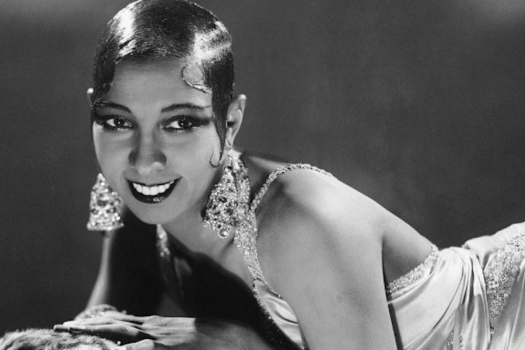
Josephine Baker was born on June 3, 1906, in St. Louis, Ohio, to an American mother and a father whose identity remains unknown. Her passion for dance was evident from a very young age, a true ray of light in her life, which was otherwise marked by poverty. However, she had to work from a young age to help her mother. It was ultimately her job as a dresser in a theater troupe that brought her luck. When a dancer fell ill, she replaced her on stage, and this marked the beginning of a fantastic career. From then on, she performed in shows between Chicago and New York. She was then spotted and hired for a highly regarded Parisian revue, La Revue Nègre , which was performing at the Théâtre des Champs-Élysées. This was the beginning of fame for Josephine Baker, a child whose poverty and lack of a father had instilled in her unwavering determination and strong sense of identity.

Beautiful, wild, and unique, her performances for La Revue Nègre involved her dancing in revealing outfits to the rhythm of African music. The revue satirized France's colonial administration. Her style, a blend of comedy and seduction, was a sensation, and she quickly became a star, landing prestigious contracts and successfully trying her hand at singing with her hit "J'ai Deux Amours" (I Have Two Loves). She dazzled Parisian high society by parading a leopard on stage; money flowed freely, and she used it to support numerous charities, especially underprivileged children.
A courage that matches his talent
In 1939, one of the darkest periods in history began. While her celebrity status allowed Josephine Baker to be shielded from the dangerous Nazi oppression, her courage led her to join the Resistance. She used her fame to smuggle refugees out of the country, taking advantage of her freedom of movement. Dedicated body and soul to the fight against Nazi Germany, she also became an intelligence agent, using her musical scores to transmit coded messages. Despite serious health problems, she sang free of charge for the French and Allied forces in Morocco, using her artistic talent to bring joy and ease the burden of war.

The Rainbow Tribe
Throughout her travels, Josephine and her new partner, Jo Bouillon, adopted 12 children of very different origins and faiths, whom they named "The Rainbow Tribe". For them, in addition to offering these children a happy and peaceful life, it was a way to show the world that people can live together peacefully despite their differences.

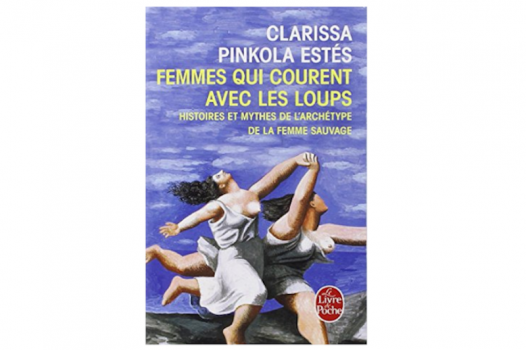
MAEVY, Incarnation of the Wild Woman
Josephine Baker, this remarkably determined and independent woman, forged her own path from poverty to fame. Driven by her passion for dance and music, she also stood up against Nazi oppression and stood alongside Martin Luther King Jr. against racial discrimination. She dedicated her success and wealth to the less fortunate and, in addition to saving many lives during the war, provided a brighter future for the 12 children of her Rainbow Tribe. She embodies MAEVY's vision of the Wild Woman: free, liberated, unique, and accomplished.